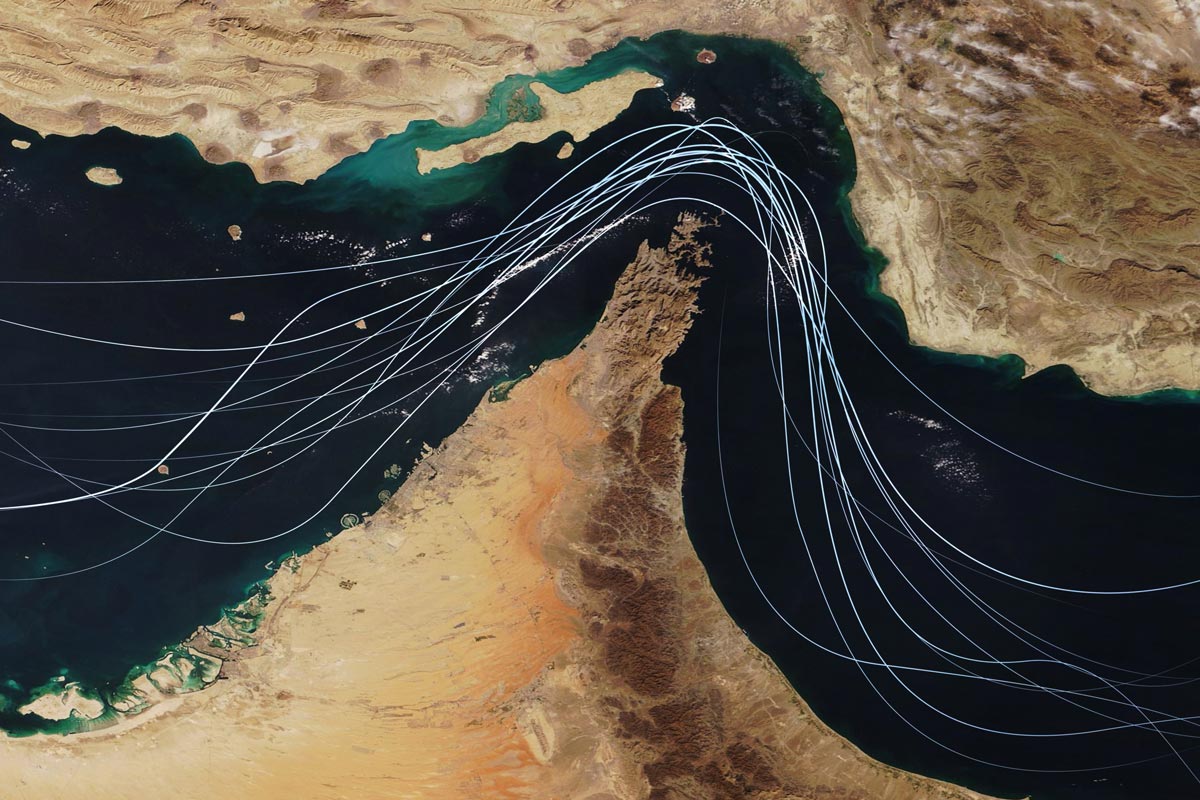
Although at first it may seem like it, the Suez Canal isn’t just a shortcut between the Mediterranean and the Red Sea, it’s one of the biggest levers on global freight pricing. When traffic through the canal rises or falls, the ripple effects reach container rates, tanker charters, insurance premiums, and delivery schedules on nearly every trade lane connecting Asia, Europe, and the Middle East. For shippers, ship owners, and logistics teams, understanding these traffic patterns isn’t just interesting background, it’s a planning tool.
Let’s go through the patterns.
Why Suez Canal Traffic Moves Freight Rates
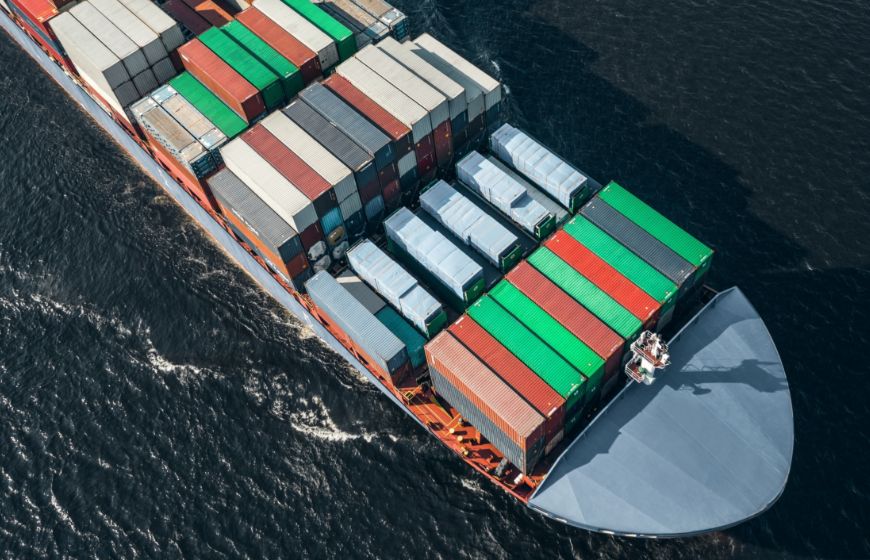
Roughly 10-12% of global trade by volume typically passes through the Suez Canal in a normal year, cutting the Asia-Europe voyage by up to 10 days compared with sailing around the Cape of Good Hope. That time saving translates directly into cost: fewer days at sea means lower fuel consumption, faster vessel turnaround, and more sailings per year for the same fleet.
When canal transit volumes drop, due to changes in the global trading patterns, or vessels choosing longer alternative routes for security reasons, the effect of drops shows up in two ways:
- Less Tonnage Availability. Ships diverted around Africa are unavailable for other bookings, effectively shrinking global carrying capacity even though fleet size hasn’t changed.
- Longer transit times. Extra days at sea raise fuel and charter costs, which carriers typically pass on through general rate increases and surcharges.
Conversely, when Suez Canal Transit volumes recover and stabilize, capacity effectively expands, competition among carriers increases, and downward pressure on rates tends to follow, though this can take time to filter through, since sailing schedules need to reset first.
What 2026 Traffic Data Is Telling Traders
Suez Canal Authority figures for the first half of the current fiscal year point to a gradual rebound: vessel transits, net tonnage, and canal revenues are all trending upward compared with the same period last year. Tanker segments have led the recovery, with large tankers increasingly using the canal, often lightening cargo at Egyptian ports to meet draft limits before continuing their voyage.
Container shipping has been slower to return in scale, with major carriers phasing services back in cautiously rather than shifting entire networks overnight. That gradual approach matters for rate forecasting: a sudden, uncoordinated return of vessels to Suez could create short-term port congestion in Europe and Asia, temporarily pushing rates up even as canal capacity itself improves.
What This Means for Your Shipping Strategy
For traders, canal traffic data is a leading indicator worth watching alongside fuel prices and charter rates. A few practical takeaways:
- Fix with predictability. Charter rates volatility tends to spike during transition periods, so contracts with built-in flexibility on routing and timing help absorb short-term swings.
- Track Suez Canal Transit volumes, not just headlines. Weekly and monthly transit statistics from the Suez Canal Authority give an earlier signal of rate direction than general market commentary.
- Factor in total transit cost, not just canal tolls. Draft limits, convoy scheduling, and port call efficiency all affect the real cost of the voyage using Suez Canal Transit — which is where a shore-based ship agency becomes valuable.
Navigating Suez Canal Transit with a Local Partner
Reading traffic trends is useful, but executing a smooth, cost-efficient Suez Canal transit still comes down to on-the-ground coordination, canal scheduling, documentation, husbandry needs, and port formalities across Egypt’s key maritime hubs. That’s where Proxima Ship Service comes in.
Operating from Alexandria in Egypt, alongside Dubai and Abu Dhabi in the UAE, Proxima has supported over 600 Suez Canal transits a year and 3000 vessels, giving shipping companies one reliable point of contact for full agency, Suez Canal transit, husbandry, logistics, and hub services.
If Suez Canal traffic patterns are shaping your routing decisions, get in touch with the Proxima team to plan your next transit with confidence.